From Concept to Commissioning: Why a Dry Powder Inhaler CDMO Accelerates Inhalation Drug Development
What makes DPI development different (and harder) than oral drugs
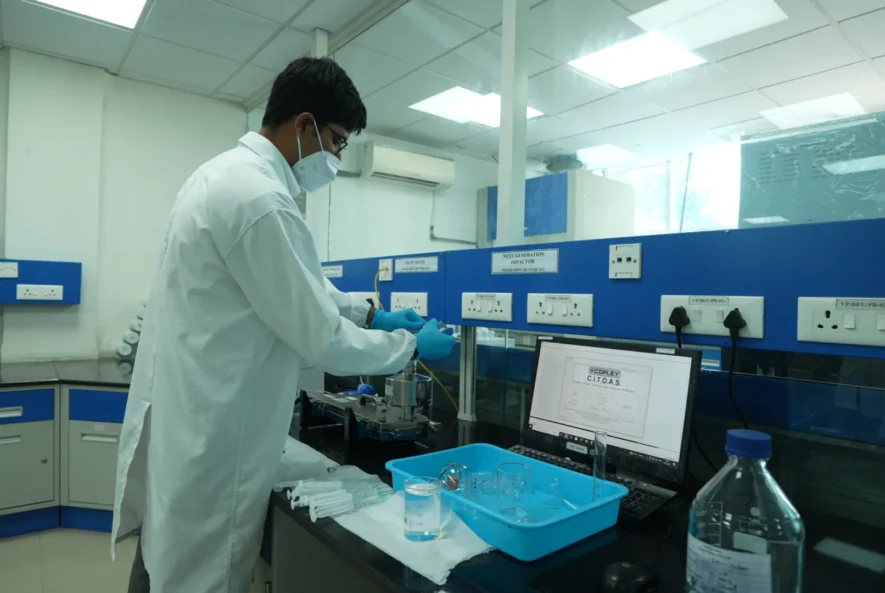
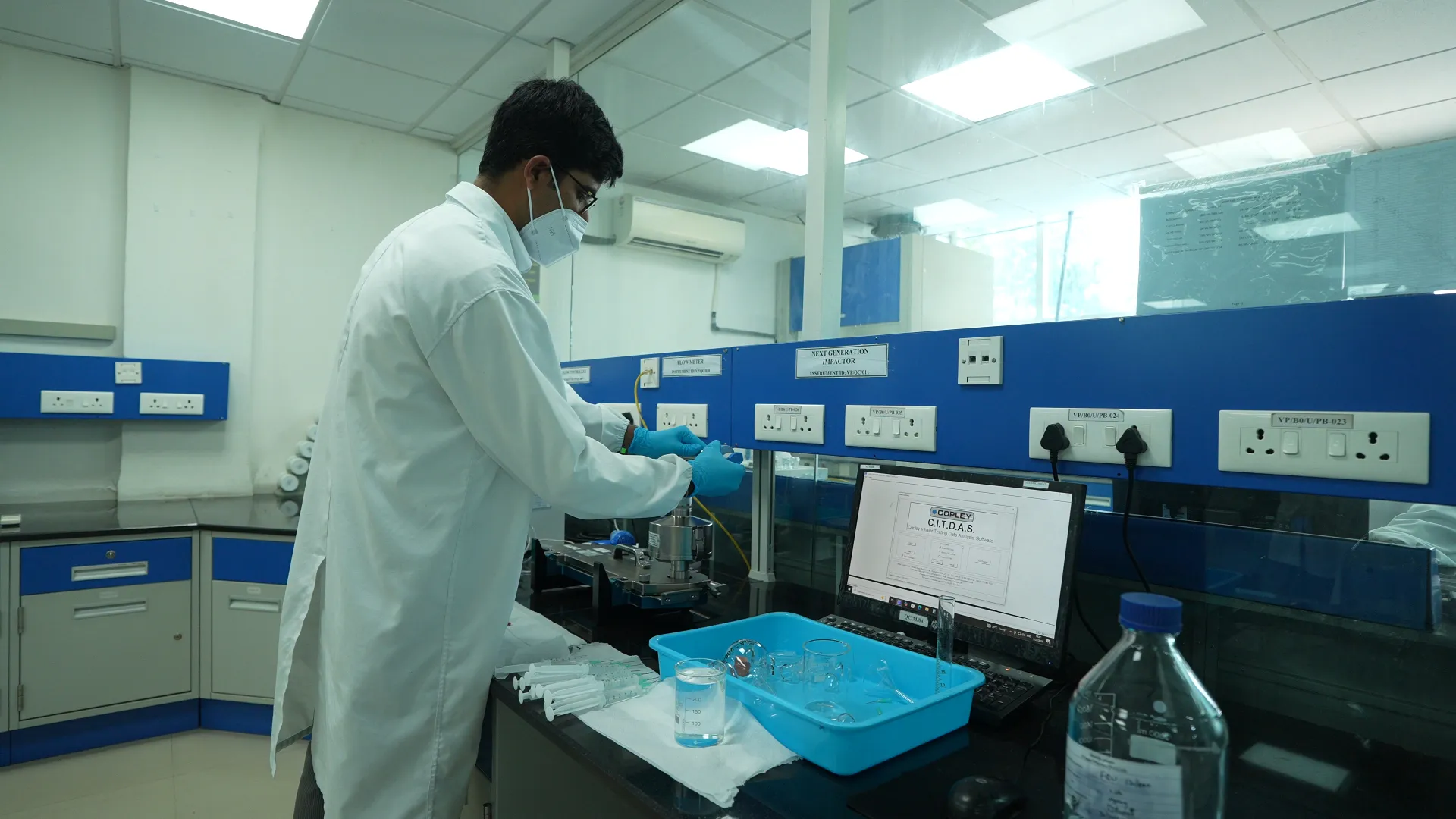
Developing an inhalation therapy is uniquely complex: particle engineering, device compatibility, aerosol performance and global regulatory demands all have to align. That’s why working with a DPI-focused CDMO — one with inhalation-specific technology and a Concept-to-Commissioning approach — can be the difference between a stalled project and a successful IND/CTA and commercial launch. At Vamsi Pharma (WHO-GMP; Telangana, India; founded 2015) we specialize in Dry Powder Inhaler (DPI) development, from premix design to device combo packs, analytical validation and seamless technology transfers — all engineered to preserve product performance through scale-up.
Inhalation products require precise control of particle size, moisture, dose uniformity and device-formulation interactions. A small change in particle morphology or filling process can materially change delivered dose and fine particle fraction. That technical sensitivity means standard CDMO capabilities aren’t enough — you need inhalation-specific experience in aerosol science, impactor testing, and device assembly.
The “Concept to Commissioning” advantage
Our model takes responsibility for the whole lifecycle so that the innovation you create at bench scale is the same innovation that reaches patients:
Concept & ideation: Define clinical objectives, device use case, and feasibility.
Research & formulation: Particle engineering (milling, spray-drying), carrier optimization, and premix design.
Technology transfer — validated transfer protocols, engineering runs, SOPs, and training to preserve performance across sites.
Regulatory support — CMC packages, stability data, risk assessments, and lot release testing for global filings.
Quality, compliance and patient safety (non-negotiable)
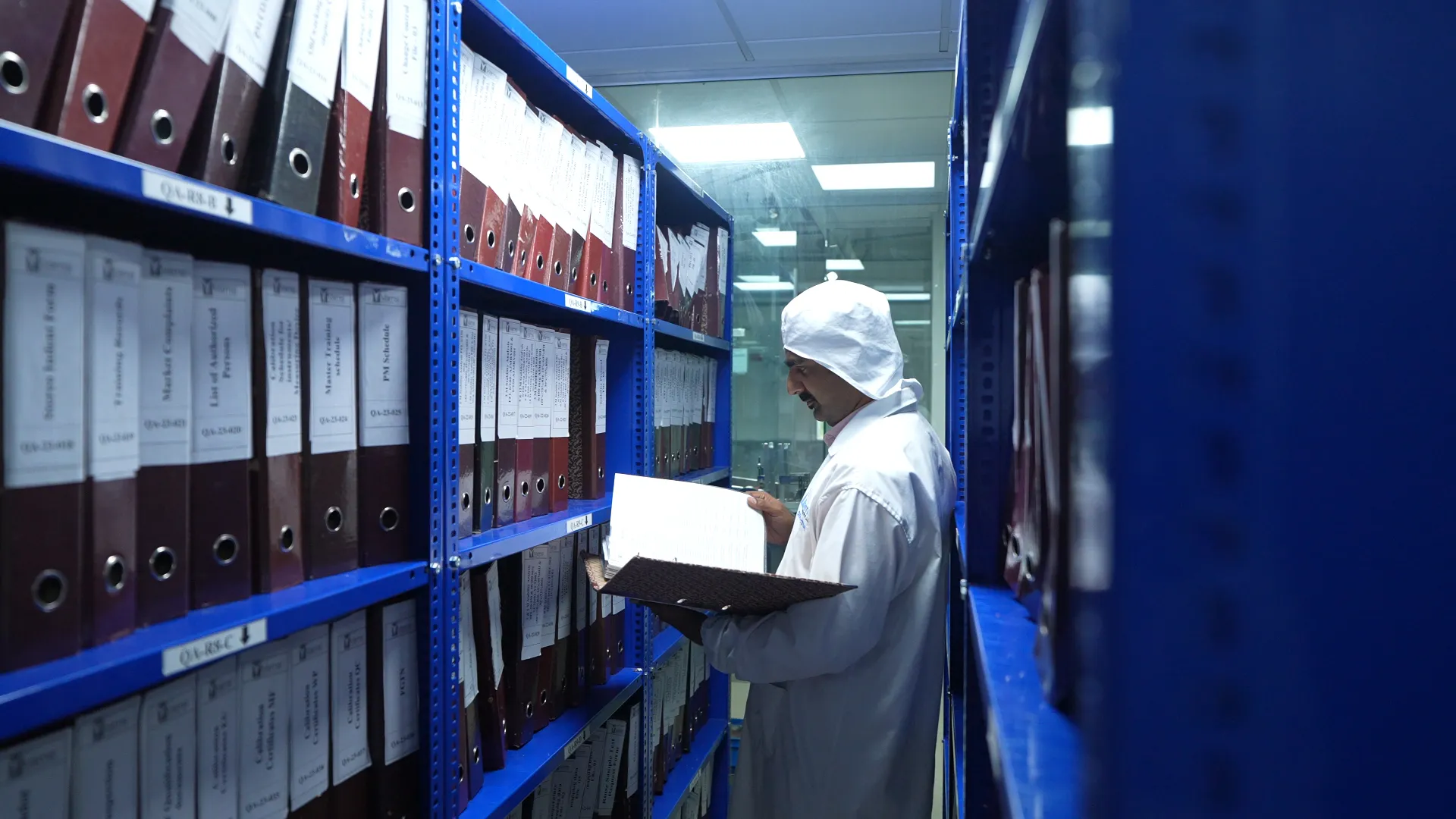
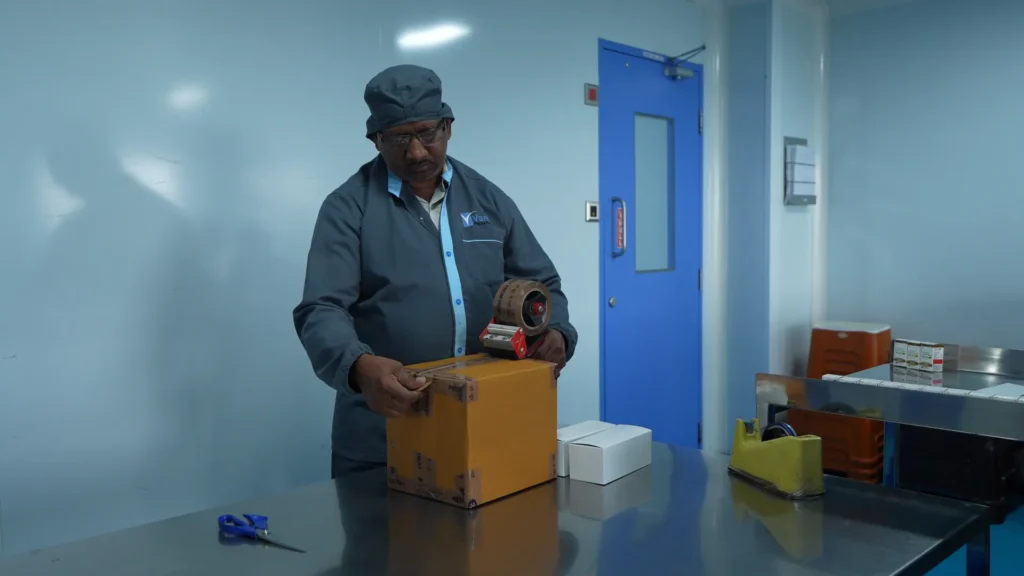
Operating from a WHO-GMP certified facility, we maintain validated environmental suites, cleaning/containment systems and serialization options. Child-resistant and tamper-evident designs are available where required. Our QA oversight ensures audit readiness and defensible data for regulatory submissions.
Choosing the right DPI CDMO: a 7-point checklist
Inhalation-specific experience (DPI projects, not just general solid-dose work).
Single-vendor accountability (from premix to commissioning).
If a potential partner fails any one of these, you’re taking avoidable risk.
How we prove value to partners (what you should expect)
Transparent project governance and milestones from feasibility to PPQ.
Practical risk assessments and DOE-driven process definition.
Analytical transfers, instrument qualification, and LIMS-ready data.
Post-market monitoring support and iterative lifecycle improvements.
Next steps — how to engage
If you’re evaluating a DPI program, start with a short technical brief: API properties, target dose, intended device format, and development timeline. We’ll provide a tailored feasibility plan and a recommended development pathway.
Primary CTA: Request a Project Consultation — [Contact / Request Form link] Download: DPI Development Checklist — “12 Steps to Clinic-Ready Formulations” (lead magnet
Bringing inhalation therapies to clinic and market demands a partner who understands DPI science, analytics, manufacturing and regulatory expectations end-to-end. Vamsi Pharma’s Concept-to-Commissioning model — anchored by a WHO-GMP facility in Telangana and deep inhalation expertise — is designed to de-risk DPI programs and accelerate your path to patients.